


18 November: Commemorating the Dawn of Morocco’s Independence
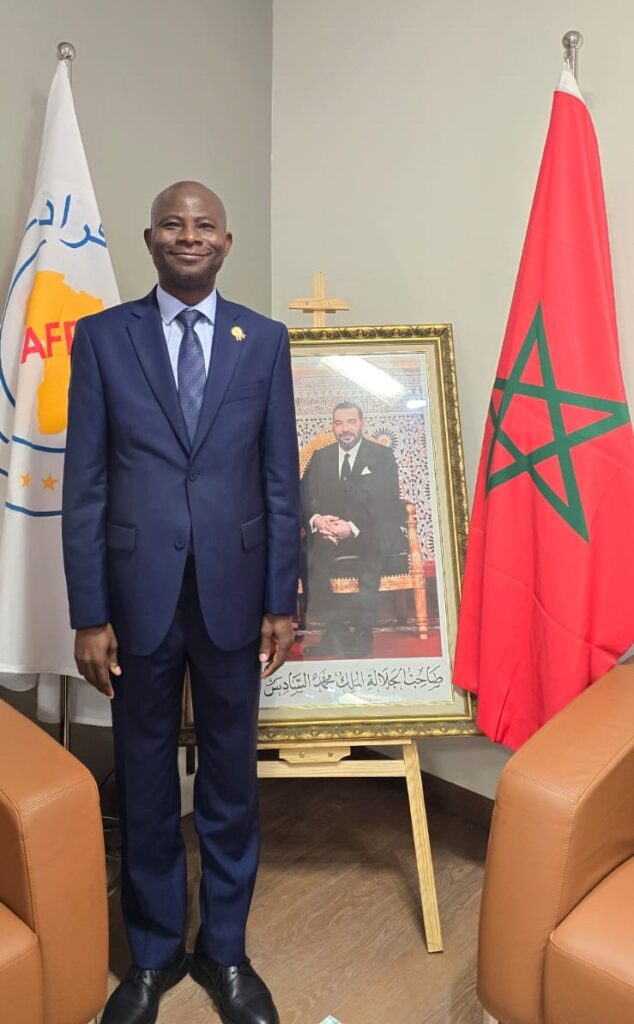
Every year on 18 November, Morocco adorns itself in red and green to celebrate one of the most significant events in its contemporary history: Independence Day. More than just a public holiday, this date symbolizes the end of a long chapter of struggle and the beginning of a proud and ancient nation’s regained sovereignty.
Historical Context: From Protectorate to Liberation
To grasp the importance of 18 November, one must go back to 30 March 1912, the date of the signing of the Treaty of Fez, which placed Morocco under a protectorate regime divided between French and Spanish influence. For 44 years, the Moroccan people—under the enlightened leadership of the Alaouite royal family and a growing nationalist movement—continued to resist and assert their right to self-determination.
The turning point came with the exile of Sultan Sidi Mohammed Ben Youssef, the future King Mohammed V, in 1953. Intended to break the momentum of the independence movement, the decision had the opposite effect. It rallied the people even more strongly around their Sovereign, who became the living symbol of resistance and national unity. Popular pressure, combined with diplomatic and armed struggle, eventually made the situation untenable for the colonial power.
18 November 1955: The Triumphant Return and the Historic Announcement
On 16 November 1955, after two years of exile in Corsica and later Madagascar, Sultan Mohammed V and his family returned triumphantly to the country, greeted by jubilant crowds. In people’s hearts, this event already marked the nation’s victory.
It was two days later, on 18 November 1955, that history was formally written. In a speech from the royal palace, Mohammed V solemnly announced the end of the protectorate and the dawn of Morocco’s independence. He notably declared that the country was embarking on the path of “building a democratic and modern state, founded on constitutional monarchy and a parliamentary system.”
Although the date did not mark the signing of an official agreement, it sealed Morocco’s political and moral victory. It represented the culmination of the sacrifices made by an entire people and the restoration of the nation’s full sovereignty.
Today’s Celebrations: Pride, Memory, and Youth
Today, 18 November is a day of national rejoicing infused with solemnity. Across the Kingdom, celebrations take various forms:
- Official Ceremonies: The King and the Royal Family preside over ceremonies honoring former resistance fighters and members of the Liberation Army, paying tribute to all who contributed to the nation’s freedom.
- Hymns and Symbols: Moroccan flags fly over all public and private buildings. The national anthem is sung with fervor in schools and during public gatherings.
- Cultural and Educational Activities: Photo exhibitions, historical documentaries, and lectures help younger generations understand the price of freedom and the values of patriotism.
- Public Festivities: Streets come alive with a festive atmosphere, as musical and dance performances animate public squares.
Beyond the Celebration: The Meaning of an Ongoing Struggle
Celebrating 18 November is more than commemorating a past event. It is a reminder that independence is a precious achievement that must be preserved. It is also an opportunity to reflect on the continuity of the national struggle, which today is no longer about territorial sovereignty but about economic development, social progress, and the consolidation of national unity under the leadership of His Majesty King Mohammed VI.
On this emblematic day, Morocco looks upon its past with pride and toward its future with ambition, guided by the spirit of 18 November that continues to inspire all Moroccans.
Congratulations from CAFRAD on the Occasion of the Independence Day of the Kingdom of Morocco
On this historic day marking the Independence Day of the Kingdom of Morocco, the African Training and Research Centre in Administration for Development (CAFRAD) extends its warmest and most heartfelt congratulations to the Kingdom of Morocco, to His Majesty King Mohammed VI, to the government, and to the entire Moroccan people.
Since its creation, CAFRAD has taken pride in its Moroccan anchoring and stands as a privileged witness to the Kingdom’s remarkable development trajectory. Under the enlightened leadership of His Majesty King Mohammed VI, Morocco has continuously strengthened its institutions, modernized its administration, and established itself as a leading actor for stability and progress in Africa.
Morocco’s commitment to administrative development and good governance—core values of CAFRAD—is a source of inspiration for all member states of the Centre. The fruitful partnership between CAFRAD and the Kingdom stands as a model of South-South cooperation and illustrates the shared determination to work for a prosperous and efficiently governed Africa.