Africa at the Dawn of Climate Governance Sovereignty: Lessons from the Sovereign Carbon Credit Panel with the Participation of CAFRAD’s Director General
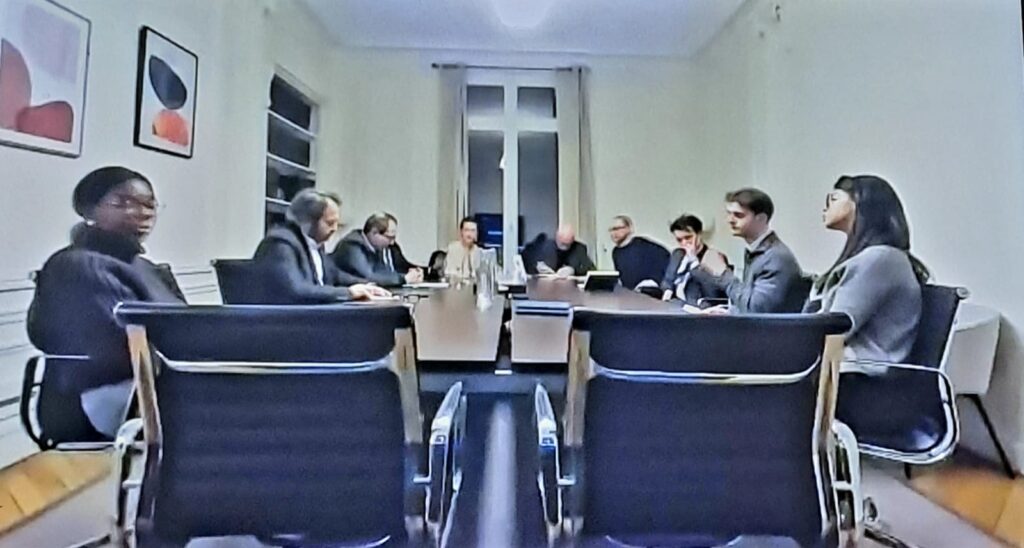
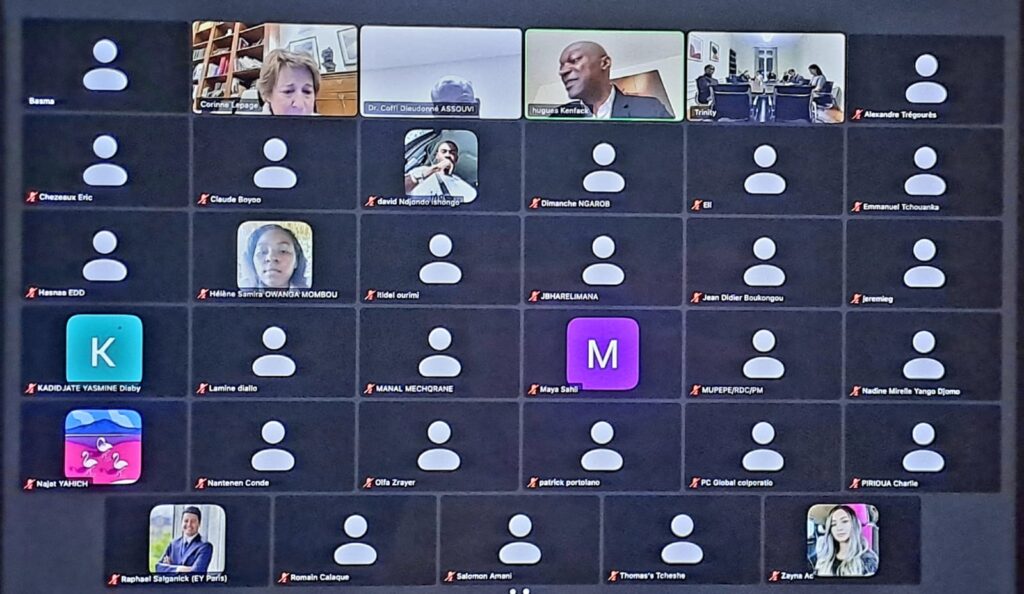
Friday, November 21, 2025 – The 3rd edition of the Sustainability Workshops for Africa marked a decisive step in the continental debate on climate sovereignty. At the heart of this dynamic, the panel titled “Sovereign Carbon Credit in Africa – On the Eve of the G20” offered a rare moment of collective clarity, fueled by exceptionally high-quality exchanges. The contributions of the experts and panelists provided unprecedented and candid insights into the structural challenges of a concept poised to become a cornerstone of African climate governance.
Africa Enters the Era of Sovereignty over Its Natural Resources
The discussions confirmed a fundamental idea: the Sovereign Carbon Credit goes far beyond a market mechanism. Above all, it represents the assertion of African States’ sovereign property rights over the carbon stocks generated by their ecosystems.
Designed to ensure fair compensation and strengthen national and regional governance, this mechanism places Africa in a strategic position: that of a continent that controls its resources, defines its own standards, and builds its climate future on its own terms.
The panel developed a coherent continental narrative around carbon cycles: fossil carbon must be regulated, and bio-carbon must be valorized. This distinction, often overlooked in global debates, opens the path to an African approach to carbon based on equity, ecological restoration, and fair remuneration for the efforts of communities and territories.
Toward Robust Legal Frameworks and Continental Standards
The discussions also highlighted the urgency of establishing strong national frameworks aligned with nationally determined contributions (NDCs) and accelerating the operationalization of Article 6 of the Paris Agreement. States must fully assume their strategic role as guarantors of sovereign credits.
Emerging contractual tools include:
- Floor prices to secure credit value;
- Anti-speculation clauses;
- Standardized continental models;
All these instruments aim to strengthen transparency, predictability, and economic fairness toward African communities.
Moreover, debates emphasized the importance of Africa’s natural and technological assets capable of generating sequestration units (SUs) and high-quality sovereign credits, such as mangroves, which can be directly activated within the framework of new climate instruments of the International Maritime Organization (IMO).
Intervention by CAFRAD’s Director General
Among the speakers, Dr. Coffi Dieudonné ASSOUVI, Director General of CAFRAD, delivered a particularly impactful statement: the conclusion is clear – carbon credit alone is far from a viable long-term solution to address climate disruption. Referring to the mechanisms of the carbon market, Dr. ASSOUVI highlighted that this issue has gained prominence since the Baku Agreements, and stressed that sovereign carbon credit is a key lever enabling States to act autonomously.
According to the CAFRAD Director General, Africa must urgently establish a binding legal instrument to regulate and secure its carbon market, which is currently largely shaped—and sometimes monopolized—by Western powers.
Reports published before and during COP30, such as those from UNEP, WMO, and IEA, indicate rising greenhouse gas emissions. The diagnosis is concerning: the current trajectory is insufficient to achieve the set targets (carbon neutrality) by 2050.
The implementation of the principle of common but differentiated responsibility remains incomplete. Northern countries have not yet fully met their commitments toward the Global South, which continues to bear a disproportionate share of climate change impacts.
In this context, relying on the purchase of African carbon credits to finance the continent’s needs cannot constitute a sustainable solution nor fully comply with principles of equity and ethical sustainable development.
The central challenge is instead to collectively rebalance international relations, basing decisions on reliable scientific data and ensuring that Global South countries are treated as full partners, in a spirit of mutual respect and constructive cooperation.
Absorb more, restore better, be fairly compensated: this is now the sovereign right claimed by Africa.