CAFRAD Marks Its Presence at ATDA 2025: A Catalyst for African Digital Innovation

On 13 and 14 November 2025, Rabat hosted the 14th edition of the Assises de la Transformation Digitale en Afrique (ATDA), a major strategic event for the continent. Held under the theme “AI for e-Governance: Catalyzing Innovation,” the gathering brought together public decision-makers, experts, researchers, start-ups, and technological partners to discuss the challenges of modernizing African administrations through artificial intelligence.
A Pan-African Platform for Dialogue
Organized by CIO-Mag, ATDA 2025 highlighted the central role of AI in the digital transformation of public administrations. Over the course of two days, speakers explored how AI can enhance the efficiency of public services, strengthen transparency, and support more inclusive governance.
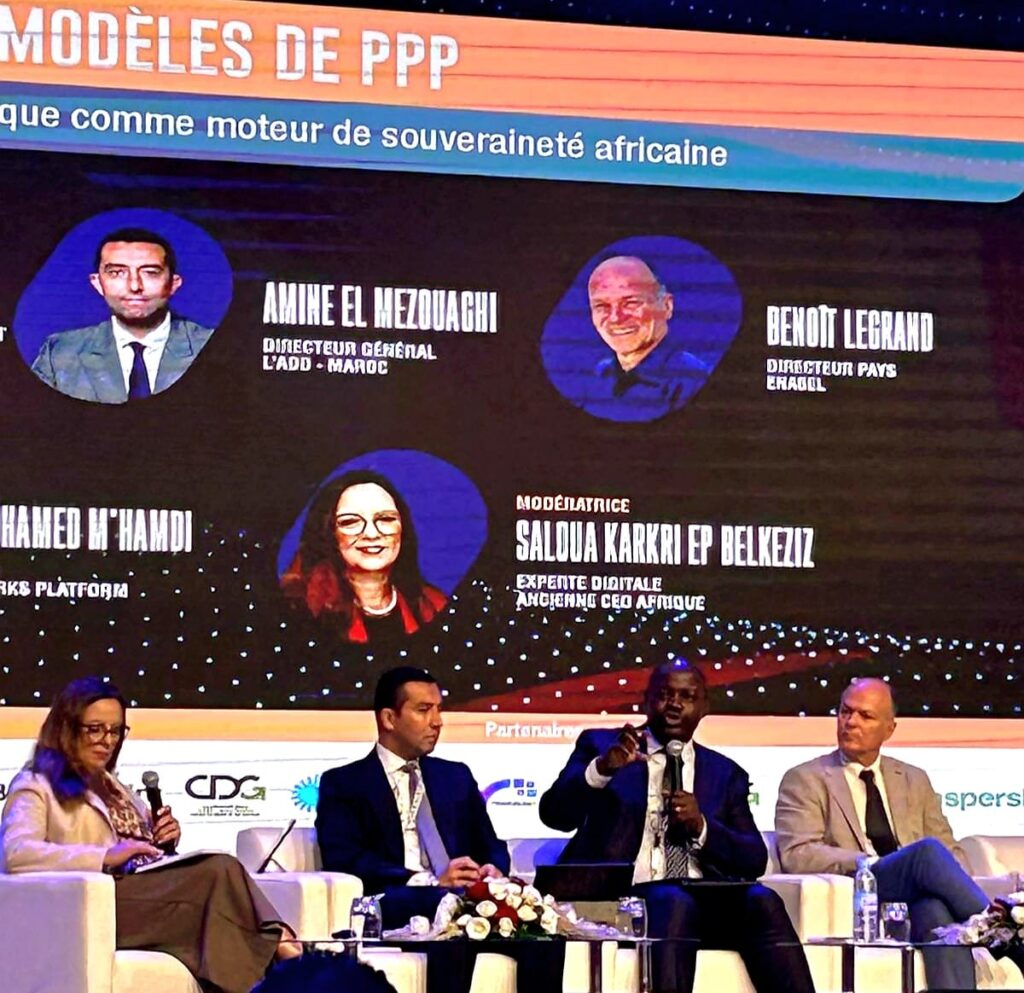
The event provided a forum for debate on the ethical, regulatory, and technological challenges linked to the use of AI, while identifying collaboration models between the public and private sectors. Notable moments included plenary sessions, roundtables with national and international experts, interactive workshops, technological demonstrations, and a Digital Village dedicated to African innovations. It also served as a strategic networking hub, fostering connections between governments, companies, start-ups, and civil society.
CAFRAD’s Role: Expertise and Training
As a pan-African intergovernmental organization dedicated to the modernization of public administrations, CAFRAD plays a crucial role in this context:
- As a training center, it strengthens the capacities of senior officials to integrate AI into public policy;
- As a research platform, it promotes studies on e-governance and ethical AI in Africa;
- As an institutional actor, CAFRAD acts as a natural bridge between African states and technical partners to build sustainable digital strategies.
This role aligns with the strategic vision of the Director General, Dr. Coffi Dieudonné ASSOUVI, who places innovation, training, and administrative modernization at the heart of the Centre’s priorities.
CAFRAD’s participation in the ATDA is fully consistent with its mission to promote a “global, digital, intelligent, and sustainable” digital transformation of African public administrations.
Key Issues and Perspectives
The discussions at ATDA 2025 highlighted several strategic priorities for supporting a controlled and sustainable digital transformation in Africa:
- Ethics and AI Governance: ensuring transparency, accountability, and the protection of citizens’ rights in the deployment of public AI systems;
- Cybersecurity and Digital Sovereignty: cybersecurity was emphasized as an essential pillar of digital transformation;
- Digital Inclusion: ensuring that AI and digital services reduce territorial and social inequalities;
- Public–Private Partnerships: encouraging cooperation to finance, develop, and deploy high-value digital solutions;
- Capacity Building: training public officials (CIOs, CDOs, cybersecurity managers, decision-makers) in AI, cloud technologies, and cybersecurity;
- Deployment Models and Experience Sharing: identifying and disseminating best African practices to accelerate administrative modernization.
Impact for CAFRAD
For CAFRAD, the event represents an opportunity to:
- strengthen its position as a hub for reflection on digital transformation and AI in Africa;
- reinforce its role as a training platform for public decision-makers;
- develop partnerships with technological actors (start-ups, universities, companies) to co-develop digital transformation programmes.
Conclusion
ATDA 2025 reaffirmed that artificial intelligence is not merely an advanced technology, but a strategic lever for rethinking public governance in Africa. With its expertise and networks, CAFRAD is well positioned to support this transition—by developing digital talent, training agile and forward-thinking digital leaders, conducting research, and facilitating sustainable partnerships.
As a pan-African intergovernmental organization, CAFRAD must build on the outcomes of these Assises to:
- support the adoption of responsible AI within public administrations,
- foster continental cooperation in digital and AI fields,
- and help build a resilient, innovative, and inclusive African public administration.