


International Day of United Nations Peacekeepers
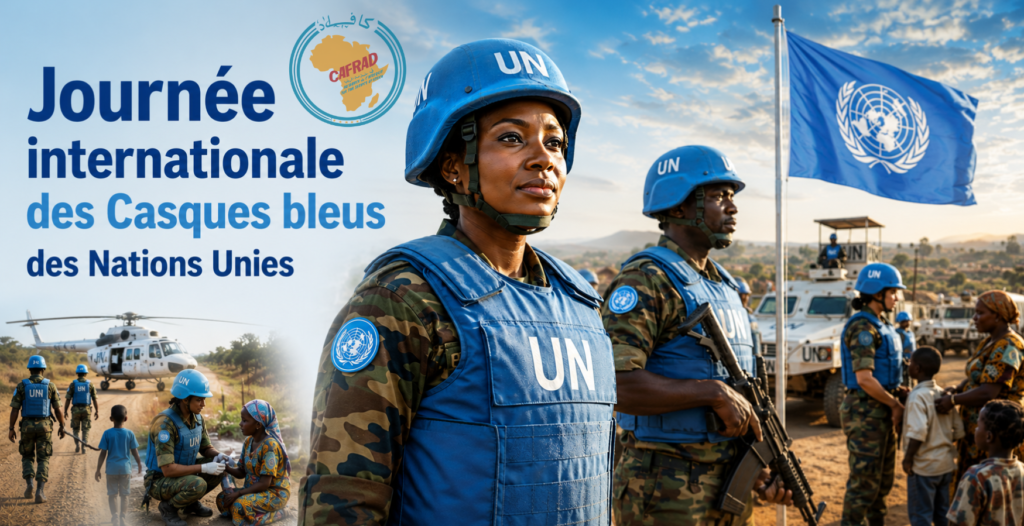
Celebrated on May 29, the International Day of UN Peacekeepers pays tribute to the men and women deployed in peacekeeping operations for their invaluable contribution to the work of the UN. This day is an opportunity to honor the memory of more than 4,200 peacekeepers who have lost their lives serving under the United Nations flag since 1948. It recalls a founding commitment: that of sovereign nations who agree to dedicate their soldiers, police officers, and civilian personnel to a collective cause.
A Human and Collective Commitment
Peacekeeping operations today mobilize approximately 90,000 military, police, and civilian personnel, deployed in about ten missions around the world. These men and women, from more than 100 countries, operate in some of the most challenging environments imaginable: active conflict zones, humanitarian crises, and institutional collapses. Their mission extends far beyond security: they protect civilian populations, support political processes, contribute to the restoration of the rule of law, and facilitate transitions toward lasting peace.
Every May 29, the United Nations Secretary-General lays a wreath at the Peacekeepers Memorial at UN Headquarters in New York, and the Dag Hammarskjöld Medal is awarded posthumously to personnel who have died in action during the past year.
Africa, a key player in peacekeeping
Africa plays a central role in the global peacekeeping architecture. The continent hosts the majority of ongoing missions: in Mali, the Central African Republic, the Democratic Republic of the Congo, and South Sudan. These countries are among the largest troop contributors worldwide. Countries like Ethiopia, Rwanda, Senegal, Ghana, and Morocco maintain significant contingents and recognized operational expertise. This reality represents both a responsibility and an affirmation of sovereignty: Africa is choosing to be an actor in its own security, not merely a recipient of external aid.
The Role of Institutions: Training for Stabilization
Lasting peace is not built solely with soldiers. It requires functioning institutions, transparent administrations, and personnel trained in human resource management, governance, and public affairs. This is precisely the mission that CAFRAD has pursued since its creation in 1964: to strengthen the administrative and institutional capacities of its African member states so that each country can build, from within, the conditions for lasting stability.
A tribute, a demand
On this International Day of UN Peacekeepers, CAFRAD pays tribute to all those who serve peace, both in the field and within institutions, and reaffirms its commitment to an Africa capable of managing its crises, training its leaders, and actively contributing to peace and sustainable development on the continent.