


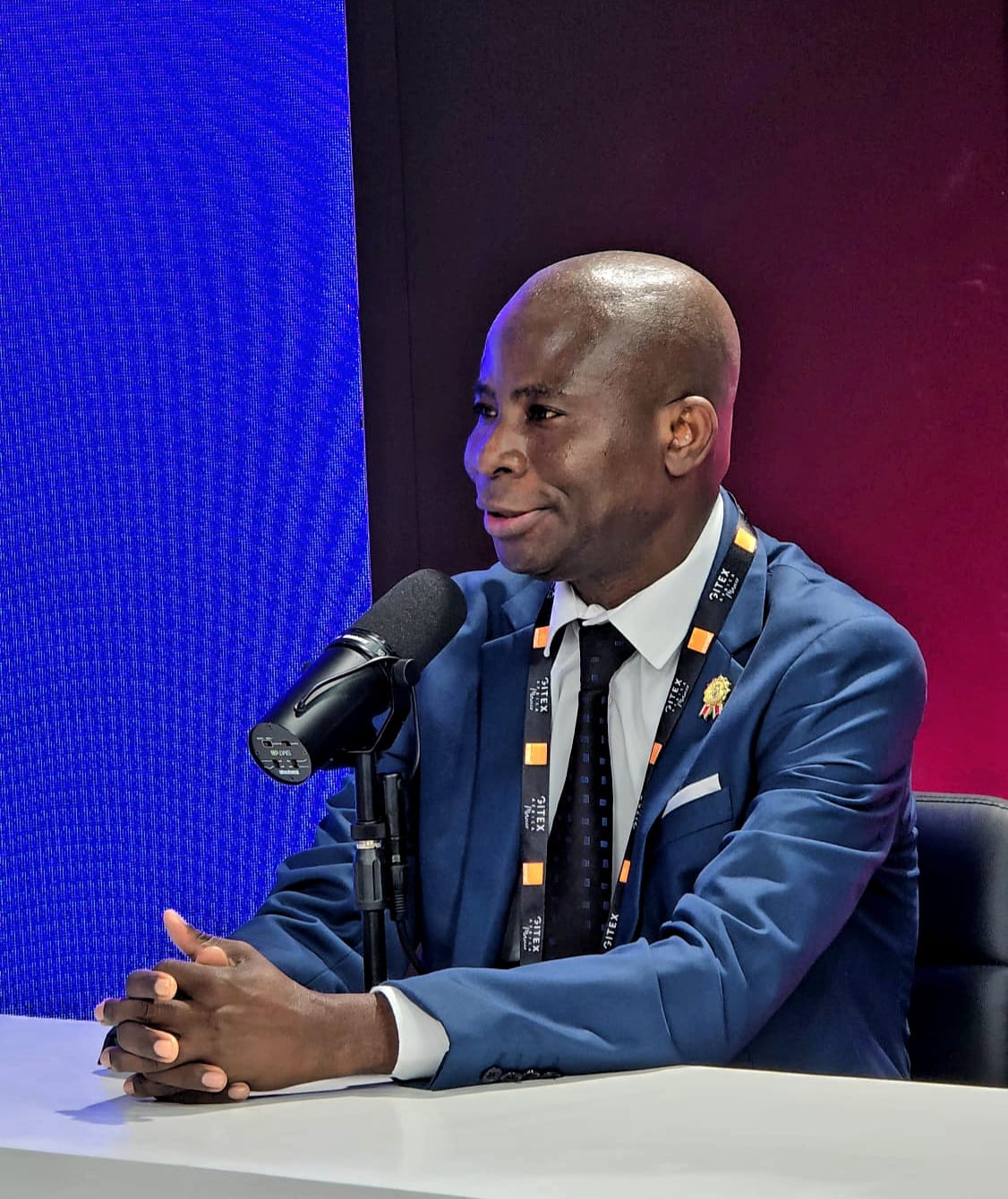
Dr. Coffi Dieudonné ASSOUVI, Director General of CAFRAD
Digital technologies and artificial intelligence (AI) undoubtedly represent undeniable technological advances of the 21st century. They are revolutionizing our daily lives, our work methods, our consumption patterns, interpersonal relationships, and transforming organizations, both public and private. In reality, a new world is being built before our very eyes: a world of humans or connected objects? Enhancing human capabilities and intelligence to achieve unprecedented feats in all sectors of the economy, society, culture, and politics has become possible, but it also raises questions about human conscience and the ethics of artificial intelligence. While AI enhances human potential and offers numerous advantages and opportunities, it also carries many risks: the era of the erasure of others, of indistinction, a fluid world, fluid love, hybrid warfare, cybercrime, energy consumption, the commodification of life, as well as the frantic race for technology and the development of digital skills and talents for which countries in the Global South are not yet prepared…
UNESCO has made this a priority. On November 23, 2021, it published its Recommendation on the Ethics of Artificial Intelligence. In September 2024, the United Nations adopted the Global Compact for the Future, comprising 56 measures, to which the Global Digital Compact and the Declaration on Future Generations are annexed. Some states and international and regional organizations are establishing frameworks or reference documents for digital skills and AI.
However, the comprehensive, holistic, and human-centered approach to addressing these technological innovations still needs to be rethought and reinvented. It is essential to combine economic transformation, the digital, ecological, and energy transitions, as well as social inclusion and intragenerational and intergenerational equity.
To prevent the digital and technological divide between and within countries, CAFRAD, a pan-African intergovernmental organization, in line with the South-South Cooperation Vision of His Majesty King Mohammed VI, may God protect, preserve, and glorify him, is organizing an international forum in March 2026 entitled: “Artificial Intelligence, Digital Transition, Energy, and Connectivity in Africa: Prospects for International Cooperation.”
The aim is to mobilize key decision-makers, experts, and researchers to develop a roadmap for Africa’s future, “The Africa We Want,” the African Union’s Agenda 2063.