


Wangari Maathai Day for the Environment in Africa
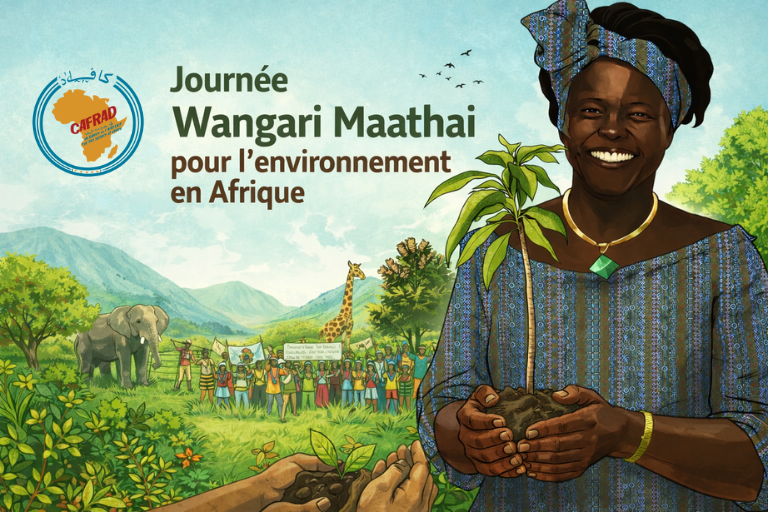
Every year on March 3, Africa celebrates Wangari Maathai Day for the Environment in Africa, a day dedicated to protecting nature and promoting sustainable development on the continent. This celebration honors the legacy of Wangari Maathai, the Kenyan environmental activist and the first African woman to receive the Nobel Peace Prize in 2004.
An Iconic Figure of African Ecology
Born in Kenya, Wangari Maathai dedicated her life to environmental protection, women’s rights, and social justice. She is best known for founding the Green Belt Movement in 1977, an initiative that encourages rural women to plant trees to combat deforestation, poverty, and soil erosion.
Thanks to this movement, more than 50 million trees have been planted across Kenya. Beyond its environmental impact, this program has also empowered thousands of women by providing them with income and an active role in natural resource management.
A Day to Raise Awareness and Take Action
Wangari Maathai Day aims to highlight the importance of preserving African ecosystems in the face of environmental challenges such as deforestation, desertification, and climate change. It encourages governments, organizations, and citizens to take action for a more sustainable future.
A variety of activities are organized in several African countries:
- Tree planting and reforestation;
- Educational conferences and workshops;
- Local community mobilization;
- Ecology education programs in schools;
This day also emphasizes the crucial role of African youth in environmental protection.
A Legacy for Future Generations
Wangari Maathai’s legacy extends far beyond the borders of Kenya. Her commitment demonstrates that nature conservation is closely linked to human rights, democracy, and sustainable development.
By celebrating Wangari Maathai Environment Day, Africa reminds us that every action counts: planting a tree, protecting a forest, or raising awareness in one’s community contributes to building a greener and more resilient continent.
Wangari Maathai Environment Day in Africa is much more than a commemoration. It represents a call to action to protect the continent’s natural resources and continue the fight initiated by Wangari Maathai. By honoring her memory, Africa affirms its commitment to a future where development and respect for nature go hand in hand.
CAFRAD’s Commitment to the Environment
The African Training and Research Centre in Administration for Development (CAFRAD) plays a vital role in promoting effective and sustainable public governance in Africa. In the context of current environmental challenges—such as climate change, land degradation, and natural resource management—CAFRAD is committed to strengthening the capacity of African public administrations to integrate the principles of sustainable development into public policies.
Capacity Building for Sustainable Environmental Governance
CAFRAD contributes to environmental protection by organizing training, research, and policy dialogue programs for African public decision-makers and administrative officials. These initiatives aim to:
- Integrate environmental policies into national development strategies;
- Promote green and responsible public administration;
- Improve the sustainable management of natural resources; and
- Encourage the adoption of innovative policies to address climate challenges;
- Through its seminars, conferences, and studies, the organization raises awareness among African governments about the importance of environmental governance based on transparency, citizen participation, and regional cooperation.
Promoting Innovation and Cooperation in Africa
CAFRAD also encourages cooperation between African public administrations, international institutions, and civil society organizations. This collaboration fosters the sharing of best practices in environmental management and sustainable development.
Through events and awareness days, such as Wangari Maathai Day for the Environment in Africa, the institution emphasizes the importance of collective action to protect African ecosystems and promote responsible governance.
Towards a Sustainable Future for Africa
CAFRAD’s commitment is part of a broader vision of sustainable African development, where modernizing public administration goes hand in hand with protecting the environment. By strengthening the skills of decision-makers and supporting innovative public policies, the organization helps prepare African administrations to meet the environmental challenges of the 21st century.
Thus, by supporting awareness-raising initiatives and encouraging environmentally responsible public policies, CAFRAD actively contributes to building a more resilient and environmentally conscious Africa.