


African Day of Decentralization and Local Development – 2026: Decentralization for effective, inclusive, and sustainable local governance
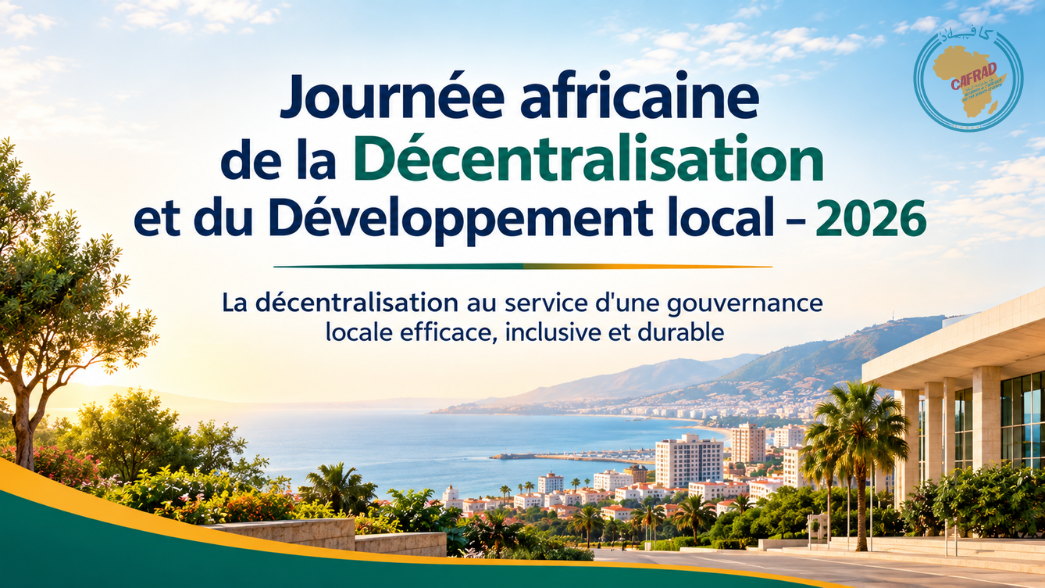
On August 10, Africa observes the African Day of Decentralization and Local Development—a key opportunity to highlight the vital role played by local authorities in fostering democratic governance and sustainable development, and in improving the living conditions of the population.
Established by African Union member states, this day aims to promote decentralization as a fundamental driver of local democracy, citizen participation, good governance, and socio-economic development across the continent. It also underscores the importance of building the capacity of local administrations so they can effectively meet citizens’ needs.
Decentralization is now a cornerstone of public policy in Africa. By bringing decision-making closer to the people, it ensures local realities are better taken into account, improves the quality of public services, and encourages more transparent, accountable, and participatory management of public resources. It also helps strengthen social cohesion, promote balanced territorial development, and bolster community resilience in the face of economic, social, environmental, and climate-related challenges.
However, despite the progress made in many African countries, several challenges remain. Local authorities continue to grapple with constraints linked to climate change, digital transformation and the integration of artificial intelligence into local public policy, limited financial resources, a lack of technical expertise, inadequate participatory local governance mechanisms, and the need for better coordination among the various levels of public administration. Strengthening institutional capacity, digitizing local services, mobilizing own-source revenue, ensuring effective citizen participation, transforming territories, developing smart cities and territories, and upholding the principle of local self-government remain key priorities for consolidating decentralization processes within an African context marked by democratic decline, complexity, and uncertainty.
This day also serves as an opportunity to highlight the importance of the African Charter on Values and Principles of Decentralisation, Local Governance and Local Development—adopted by the African Union—which provides a reference framework for Member States in their efforts to promote effective, transparent, and inclusive territorial governance.
The African Training and Research Centre in Administration for Development (CAFRAD), as a pan-African intergovernmental organization dedicated to modernizing public administration, reaffirms its commitment to building the capacity of African local administrations. Through its programs focused on training, research, the exchange of best practices, and support for administrative reforms, CAFRAD helps promote local governance that is high-performing, innovative, and citizen-centered.
On the occasion of African Decentralization and Local Development Day, CAFRAD calls upon governments, local authorities, public institutions, development partners, civil society organizations, and citizens alike to strengthen their commitment to effective decentralization grounded in the principles of transparency, accountability, citizen participation, and efficient public action.
By investing in strong, autonomous, and innovative local authorities, Africa equips itself with the means to accelerate development, reduce territorial inequalities, and build public governance that is closer to the people—in alignment with the goals of the African Union’s Agenda 2063 and the United Nations Sustainable Development Goals. Happy African Day of Decentralization and Local Development to everyone!