


Celebrating Ethiopia’s Independence Day: CAFRAD Director General Extends Warmest Congratulations to the Federal Democratic Republic of Ethiopia
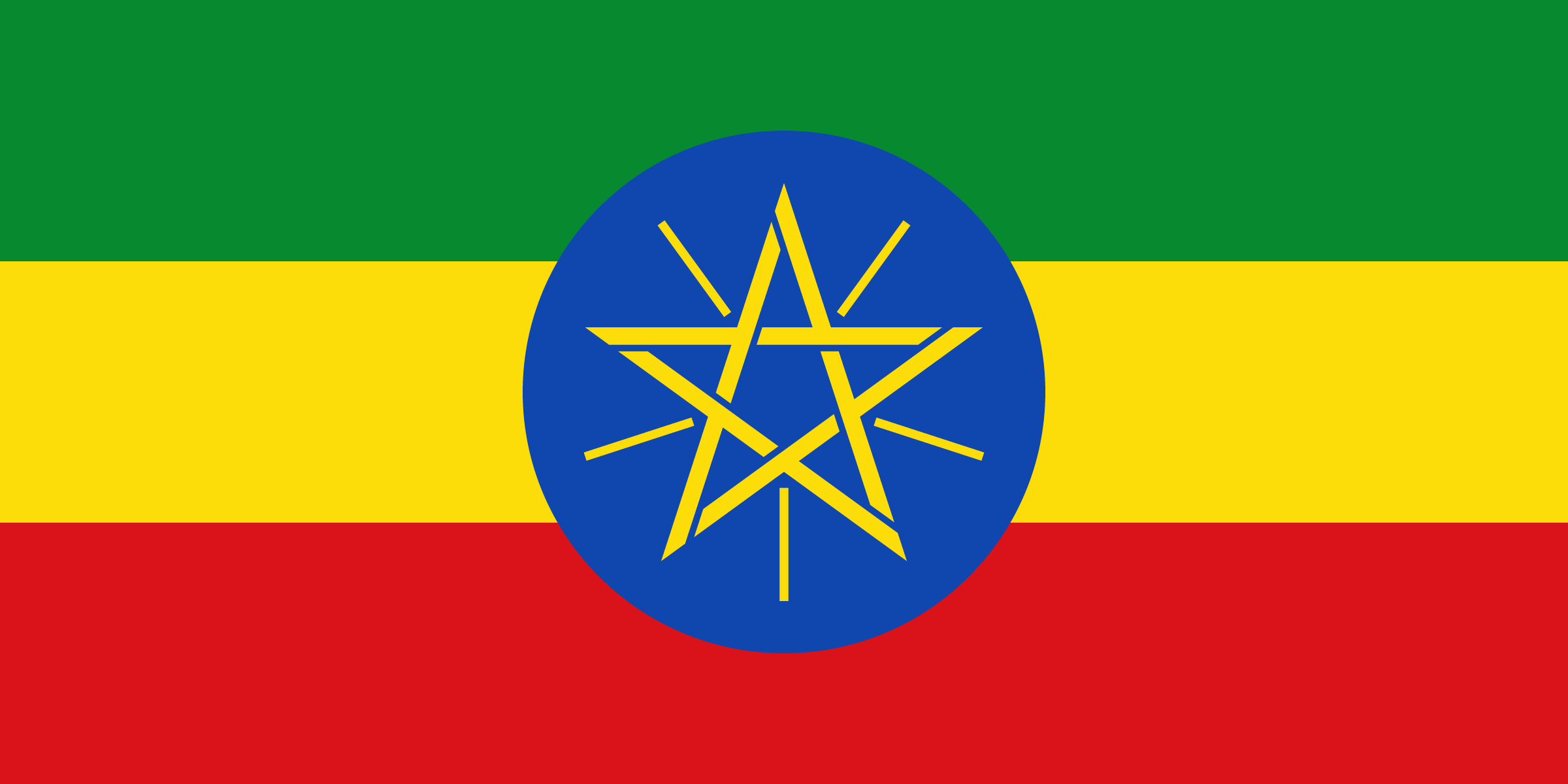
Dr. Coffi Dieudonné Assouvi, Director General of CAFRAD, and the entire staff of the Centre extend their warmest congratulations to the Federal Democratic Republic of Ethiopia on the occasion of its National Day, celebrated on May 28.
Ethiopia’s National Day is an important historical event that recalls the struggles of the Ethiopian people to preserve their sovereignty, freedom, and national unity. Celebrated on May 28, this day commemorates the fall of the Derg regime in 1991 and marks a major milestone in the country’s modern history.
Unlike many African countries, Ethiopia is known for having resisted European colonization for much of its history. In the 19th century, several European powers colonized Africa. However, Ethiopia successfully defended its independence thanks to the Ethiopian army’s victory against Italy at the famous Battle of Adwa in 1896. This victory became a symbol of national pride and African resistance.
Despite this success, Fascist Italy, led by Benito Mussolini, invaded Ethiopia in 1935. The country was occupied for five years. In 1941, with the help of Allied forces, Ethiopians succeeded in liberating their territory and restoring their sovereignty under Emperor Haile Selassie.
After several decades of political upheaval, Ethiopia experienced another difficult period under the Derg military regime, established in 1974. On May 28, 1991, rebel forces succeeded in ending this regime, ushering in a new political era for the country. Since then, this date has been celebrated as Ethiopia’s national day.
Every year, Ethiopians commemorate this day with official ceremonies, parades, traditional songs, and cultural events. National flags are displayed in cities, and schools organize activities to emphasize the importance of national unity, peace, and development.
This day is also an opportunity to pay tribute to national heroes who sacrificed their lives to defend the country. Official speeches often highlight solidarity among the various components of the Ethiopian nation and the aspirations for progress and stability.
Ethiopia’s history has inspired many African independence movements. The country represents a symbol of courage and freedom for the entire continent. Its resistance to colonization demonstrated that a united people could defend its identity and sovereignty.
Ethiopia’s National Day is much more than a simple national celebration. It is a reminder of a people’s determination to protect its freedom, its cultural heritage, and its future. Even today, this day remains a moment of pride and remembrance for Ethiopians and for all of Africa.