Science Day Summary Note: Nanoplastic Emergency on Earth: The Role of Human Geography in Times of Crisis
Date: April 22
Location: CAFRAD
I- Context
Every year, nearly 11 million tons of plastic waste are dumped into the oceans, posing a major threat to marine and terrestrial ecosystems. Plastic particles, particularly nanoplastics, interact with their environment by altering the physical and chemical properties of natural environments, with worrying consequences for biodiversity, ecological balance, and ultimately, human health.
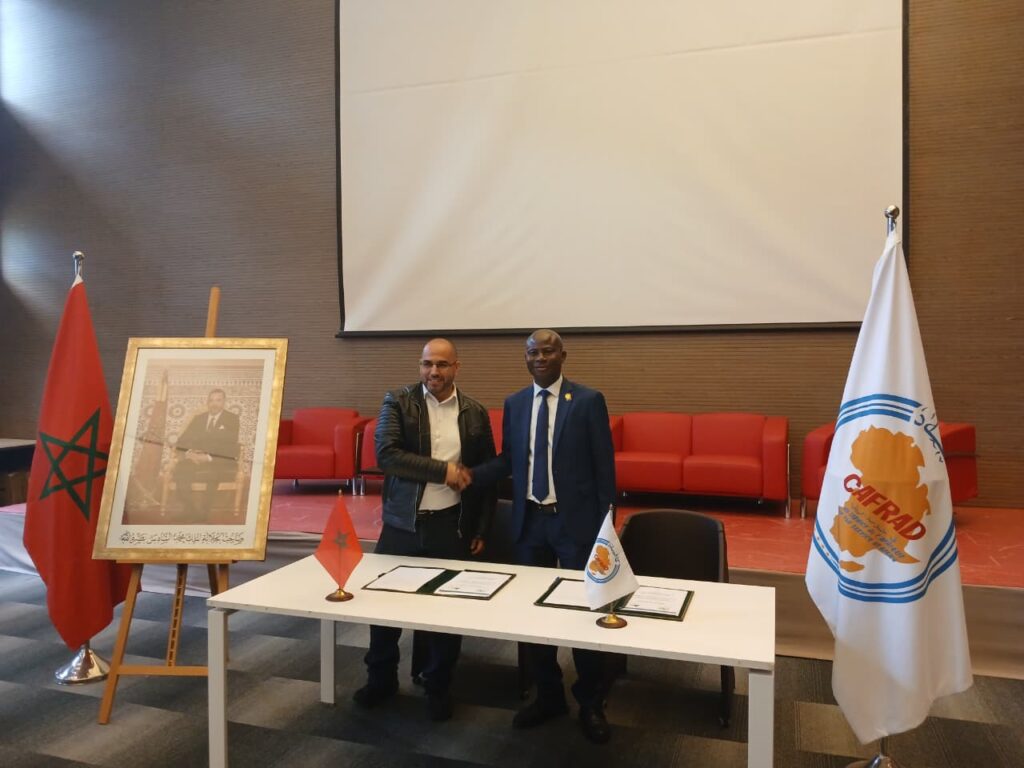
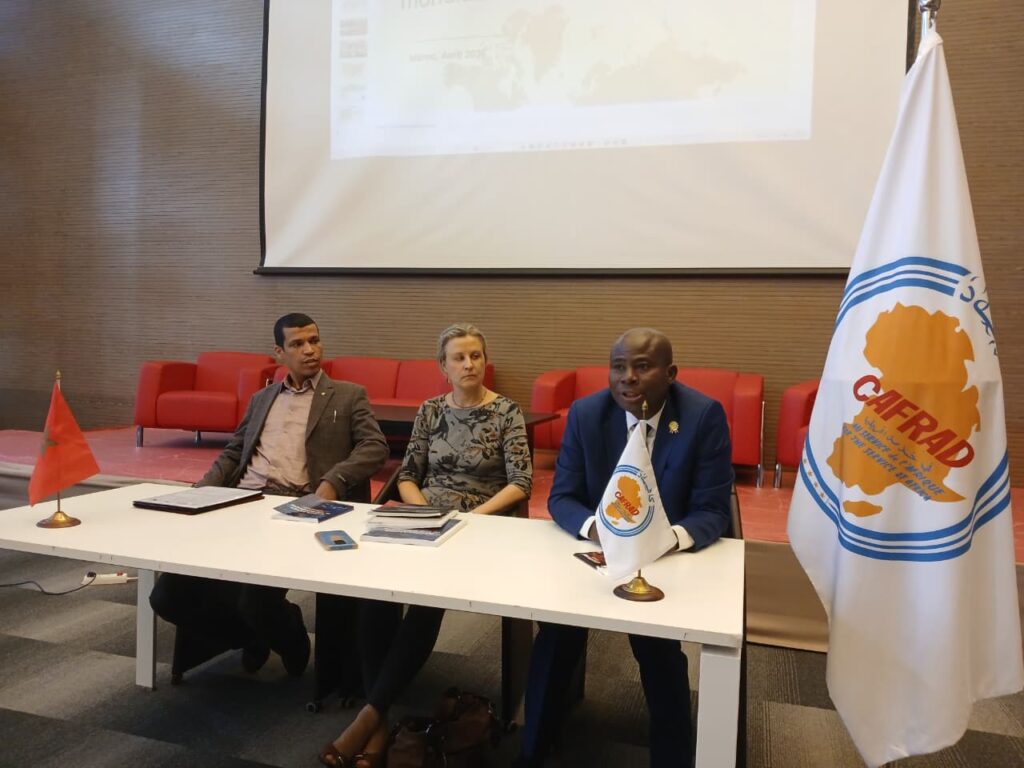
Aware of the magnitude of this challenge and true to its mission of foresight, the African Training and Research Centre in Administration for Development (CAFRAD), a pan-African multidisciplinary institution committed to strategic thinking and applied research on major contemporary challenges, organized a science day on April 22, 2026, at its headquarters, in partnership with several academic and scientific institutions. The event, themed “Nanoplastic Emergency on Earth: The Role of Human Geography in Times of Crisis,” was held under the theme:
II- Presentations
The presentations highlighted the extent of the risks associated with the proliferation of nanoplastics, particularly their impacts on biodiversity, food security, and ecosystem health. The infiltration of plastic particles into aquatic and terrestrial food chains, as well as the annual losses in agricultural yields attributable to microplastic pollution, constitute threats that demand urgent action.
Faced with these challenges, the participants emphasized the need for a resolutely multidisciplinary approach, combining biophysics, nanotechnology, molecular toxicology, materials science, and medicine, in order to develop concerted and innovative strategies. They also stressed the fundamental role of human geography, a discipline that analyzes the interactions between societies, territories, and the biosphere, in understanding current environmental dynamics and developing appropriate responses to contemporary ecological crises.
III- Consensus Emerged
At the end of the discussions, a consensus emerged on the urgent need to direct research and public action toward biological, sustainable solutions that respect natural balances, in order to preserve ecosystems and guarantee a viable future for future generations.
This science day thus reaffirmed CAFRAD’s role as a pan-African platform for reflection, innovation, and dialogue on emerging challenges. It illustrates its ongoing commitment to a resilient, sustainable Africa, scientifically prepared for the transformations of the 21st century. Faced with the nanoplastic emergency, it is now imperative to combine efforts, break down disciplinary silos, and collectively invent solutions that meet the scale of the challenges. The protection of the biosphere, the preservation of biodiversity, and the security of future generations depend on it.