PRESS RELEASE AFRICANISE – GOVERN – VALORISE Constitutive General Assembly of the African Committee for Integrated Sustainable Development (CADDI)
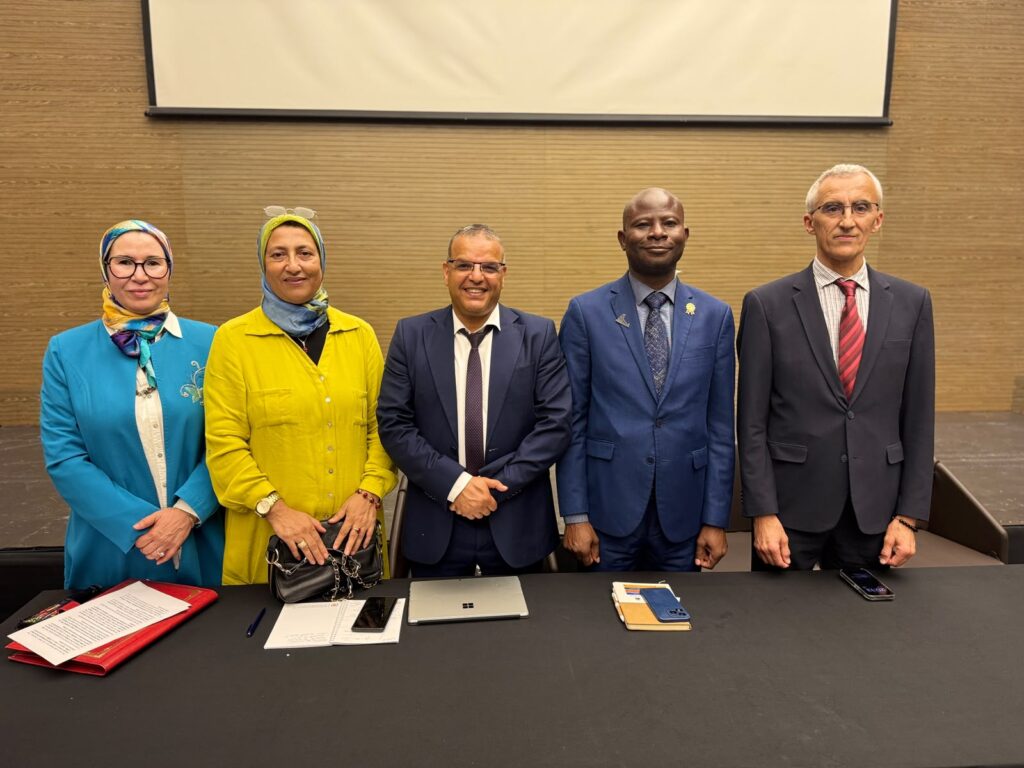
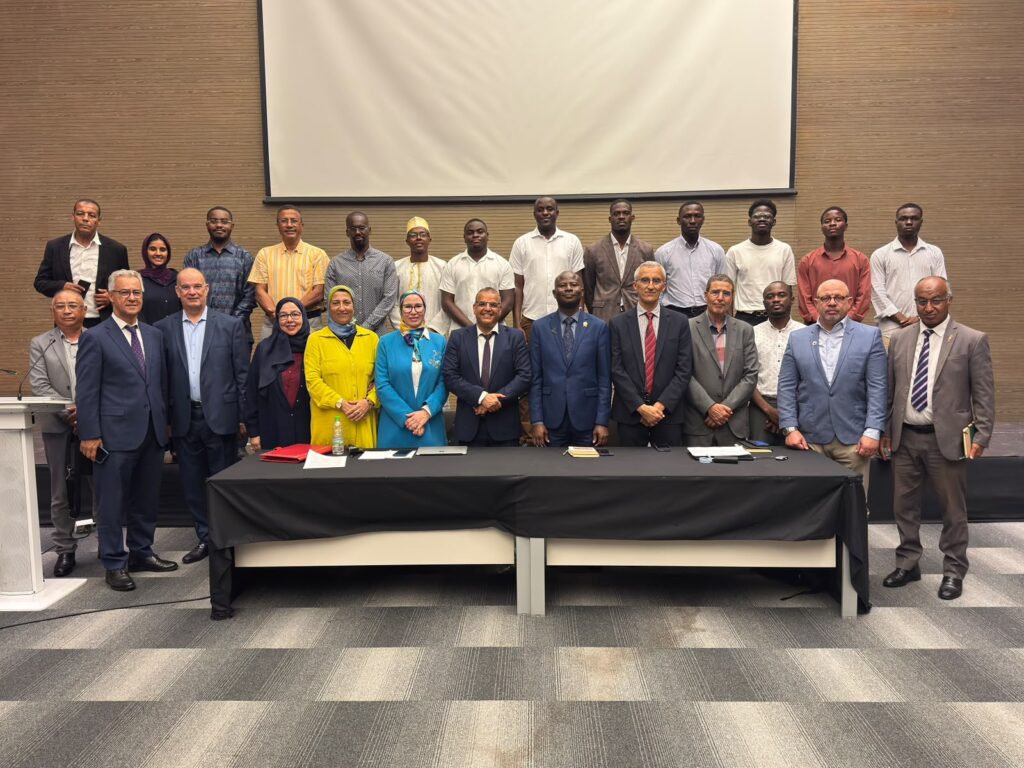
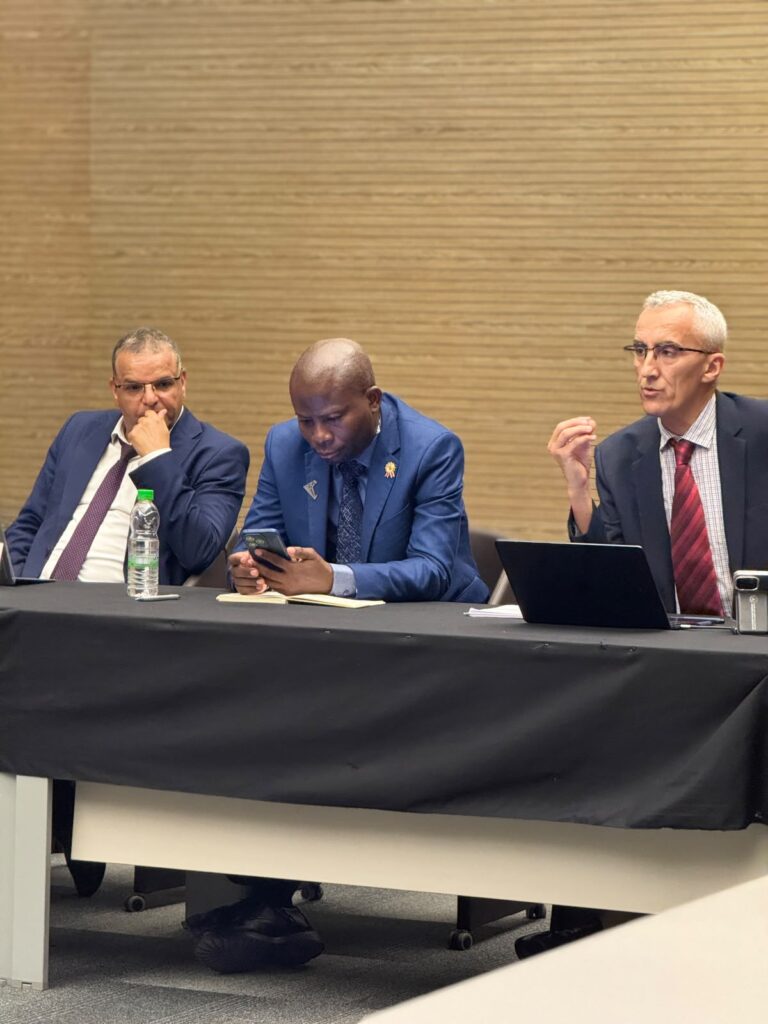
The Constitutive General Assembly of the African Committee for Integrated Sustainable Development (CADDI) was held in Rabat on 22 September 2026 at the African Training and Research Centre in Administration for Development (CAFRAD), a pan-African intergovernmental institution dedicated to training, research and the modernisation of public administration and governance in Africa.
The choice of this venue holds particular significance for CADDI. Established in 1962 at the initiative of His Late Majesty King Hassan II, may God surround Him with His infinite mercy, CAFRAD has, since its inception, been part of a pan-African dynamic founded on knowledge, training, research and cooperation.
The occasion is all the more symbolic given that, on 21 September 2026, the Kingdom of Morocco commemorated the 28th anniversary of the passing of His Late Majesty King Hassan II. The following day, 22 September, CADDI’s Constitutive General Assembly was held at this institution, which embodies a long-standing tradition of cooperation and African capacity development.
This historical connection also reflects the continuity of a pan-African vision over time, now being put into practice through numerous initiatives led by His Majesty King Mohammed VI, may God assist Him, based in particular on the values of African solidarity, South-South cooperation, knowledge and expertise sharing, sustainable development, the enhancement of human capital and the continent’s economic integration.
These values provide a frame of reference for CADDI’s work. Its vision is structured around three complementary strategic missions aimed at helping unlock and maximise the potential of the African continent:
- Africanising the standards and governance mechanisms of sustainable development projects;
- Promoting intelligent and sustainable governance of Africa’s development agendas;
- Strategically enhancing the potential of the African continent.
These missions seek, in particular, to bring together public institutions, local and regional authorities, businesses, universities, research centres, professional organisations and civil society actors around projects, knowledge and solutions that address the continent’s priorities.
The Constitutive General Assembly brought together the founding members, as well as several African and international institutional, economic, academic and professional partners committed to the continent’s development.
To translate its strategic orientations into concrete programmes, projects and actions, CADDI plans, among other initiatives, to establish specialised commissions and working groups, as well as regional offices and national representations, which will serve as the main territorial levels for implementing its missions.
CADDI’s activities are also organised around three complementary geographical constituencies, open to institutions, organisations, businesses, experts and other stakeholders who subscribe to its fundamental principles, values and objectives:
- The Moroccan College, bringing together stakeholders based in the Kingdom of Morocco;
- The Continental College, bringing together stakeholders from the various countries and regions of the African continent;
- The International College, bringing together partners, institutions, organisations and experts based outside the African continent who wish to contribute to CADDI’s objectives and programmes.
These three geographical constituencies provide frameworks for representation, consultation, cooperation and the mobilisation of expertise and resources in support of CADDI’s programmes and initiatives.
This organisational structure will enable CADDI to address the African continent’s priority development challenges in a structured and coordinated manner, particularly those reflected in the orientations and objectives of the United Nations and the aspirations of the African Union’s Agenda 2063, by promoting the design and implementation of high-impact programmes, projects and initiatives.
The Constitutive General Assembly also gave particular attention to Virtual AfCFTA (ZV), a strategic initiative spearheaded by CADDI. ZV is conceived as an innovative pan-African digital ecosystem for sustainable development, designed in particular to facilitate and secure trade, investment, economic intelligence, connections between economic stakeholders and access to sustainable development opportunities.
Through its concept of an “Integrated African Digital Trade Corridor,” the initiative aims to foster stronger cooperation among businesses, federations, chambers of commerce, financial institutions, investors, states, local and regional authorities, and technology partners, particularly in the design, financing and implementation of public-private partnership (PPP) projects.
Virtual AfCFTA also seeks to contribute to strengthening several dimensions of African sovereignty, particularly economic, financial, commercial, digital and technological sovereignty, while respecting national sovereignty and African institutional frameworks.
CADDI intends to contribute to the development and recognition of African skills and talents, including researchers, entrepreneurs, executives, young people and members of the African diaspora, by promoting training, productive learning, knowledge transfer, innovation and cooperation among African institutions.
CADDI expresses its profound gratitude to all its founding and institutional partners, from both the public and private sectors, as well as to the experts, professional organisations, universities, diplomats, researchers and African stakeholders who contributed to the development of this initiative.
CADDI’s Executive Bureau brings together a distinguished group of African women and men, as well as representatives of specialised African institutions, from a wide range of sectors, including human capital development, sustainable development, transport and logistics, the development of standards for transparency and sustainability in public policies and territorial programmes, geomatics, territorial intelligence and innovation, information and communication technologies, private and public finance, green finance, green agriculture, legal affairs and diaspora engagement.
This multidisciplinary composition reflects CADDI’s commitment to bringing together high-level African expertise in order to foster an integrated approach to sustainable development, intelligent governance, innovation, economic integration and the strategic enhancement of Africa’s potential.
Special recognition is extended to the Director General of CAFRAD for his pan-African commitment, institutional openness and support in establishing this new dynamic.
Through its work, CADDI seeks to help make Africa a space of peace, performance and sustainable strength, building on its territories, resources, talents, human capital, innovation and economic capacities.
Following the Constitutive General Assembly, Dr. LKAIHAL Mhamed was elected President of the African Committee for Integrated Sustainable Development (CADDI).
This election reflects the confidence placed in his strategic vision, his pan-African commitment and his work in support of sustainable development, innovation, territorial intelligence and African integration.
CADDI thus affirms its commitment to promoting an approach founded on:
- Cooperation rather than fragmentation;
- Knowledge rather than dependence;
- Innovation rather than inertia;
- The enhancement of African resources rather than their mere export;
- And the transformation of partnerships into projects and results.
The Constitutive General Assembly therefore marks the beginning of a new phase focused on mobilising partners, developing programmes and turning CADDI’s pan-African initiatives into concrete action.
Rabat, 23 September 2026
African Committee for Integrated Sustainable Development (CADDI)
Communication, Information and Pan-African Outreach Unit